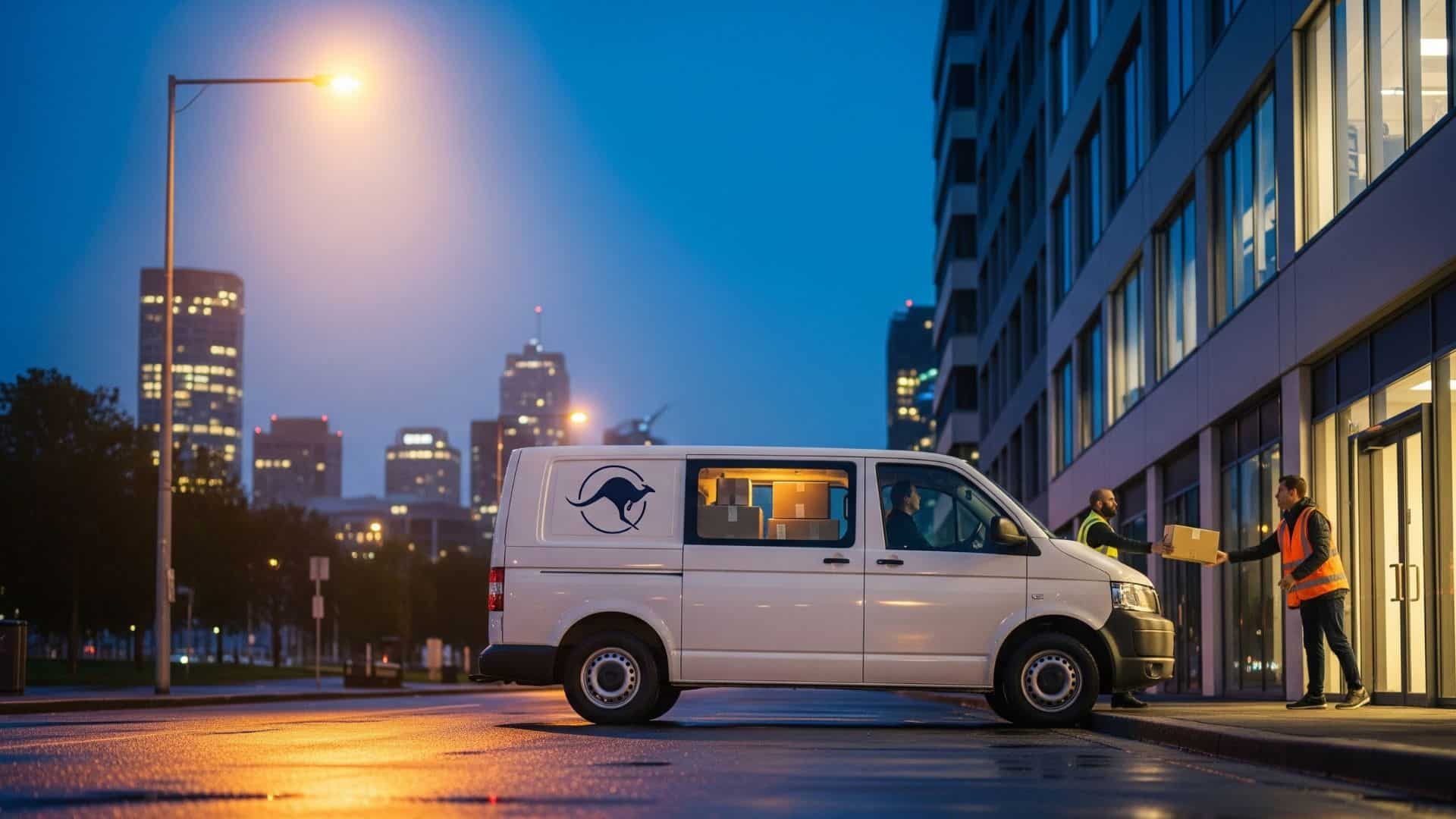
The days of delivery stopping at 5pm on a weekday are long over. These days, customers shop late and expect things to arrive when it suits them, not when it suits the business. That’s why after-hours delivery has become such a big deal these days.
And the companies who adopted this change at the start, they likely didn’t do it as part of some big strategy decision. Many might have, but a lot of delivery businesses just realized that they had too many missed deliveries, too many frustrated customers.
And so after hours delivery, which used to be for food or emergencies, became mainstream. Because retailers were feeling the pressure from customers to adapt.
The question now is, how to offer after-hours delivery without blowing your budget or burning out your drivers and support teams.
We’re here to answer that question. But to understand this, we first need to look at how (and why!) customer expectations changed so drastically.
Changing customer expectations
Shopping habits have shifted hard over the last few years. People browse and buy at night, often after work or once the kids are asleep.
Convenience is the number one factor shaping a customer’s loyalty and their purchasing decisions. Many are even willing to pay more for that convenience. And there’s data to back this up.
According to the PwC 2023 Global Consumer Insights Pulse Survey, 43% of respondents would happily pay more, while 41% were willing to pay extra for same-day delivery.
Meanwhile, Salsify Agentic data shows that consumer behaviours will continue to evolve, since about half of all shoppers plan to increase their online spending in 2026.
Missed deliveries is another big reason for why customer expectations are changing. Due to the increasing pressures of our day-to-day schedules, customers cannot always be home during traditional business hours.
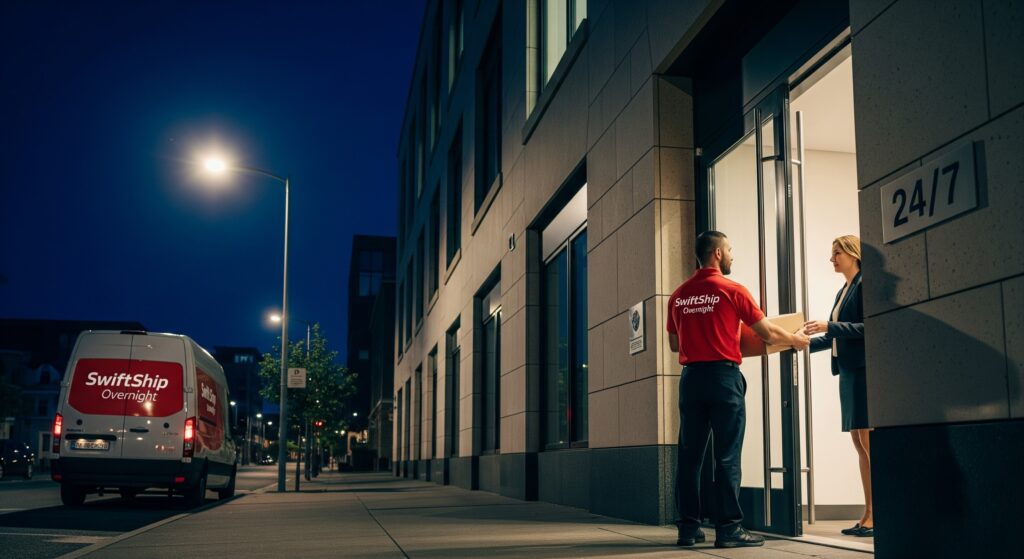
So if they miss a delivery, it will lead to re-attempts and more delays, leaving both the customer and the retailer frustrated.
Evening and after-hours delivery solves a lot of those problems in one go.
What after-hours delivery really means for your business
First, what it shouldn’t mean. You should be thinking of it in terms of, “oh great, we have to stay open longer.”
Instead, it should mean changes in how you plan your delivery routes and/or manage your drivers. It should also determine how you communicate with customers.
It’s important to get this right because if done poorly, costs can escalate real fast. Think: overtime, bad routes, low drop density, wasted fuel and vehicle wear-and-tear.
The list goes on. Those expenses will quickly eat into your profits, so you need a system in place to bring it all together.
When done right, after-hours delivery can even reduce costs. If you have fewer failed deliveries, it means happier customers and most importantly, fewer refunds!
Businesses benefitting from after-hours delivery
Not every business needs to deliver late every night. But there are a few industries that will definitely see a clear return when they do implement after-hours delivery.
The most obvious industry that benefits from this is retail, because delivering to customers the same evening as when they placed the order has clear, measurable results.
Trades and service businesses also benefit when parts arrive after hours. The parts are then ready for the next day’s job, without delaying the customer’s repair even longer.
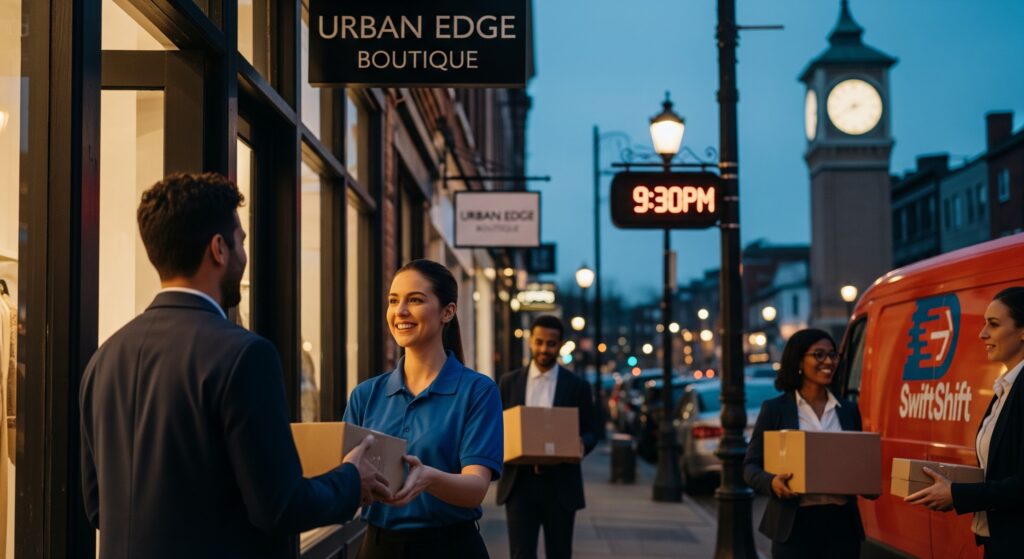
B2B deliveries benefit more than many people might even expect since offices, clinics, and warehouses often prefer evening drop-offs so goods are ready before staff arrive.
The key is matching delivery windows to real customer behaviour instead of just guessing what customers want. Or worse, copying competitors blindly.
How tech make after-hours delivery viable
In the old days, same-day deliveries and after-hours deliveries meant you needed more staff on duty, and more vehicles. But that’s no longer the case.
Today, if you have the right tools in place, you don’t need all those extra costs on your balance sheet.
With modern delivery platforms you can now schedule, dispatch, and track jobs without someone manually managing every step.
This makes it so much easier to run deliveries outside of normal office hours.
This doesn’t mean the tech should replace your staff, it just means they don’t have to work excessive hours that lead to burnout.
Route optimization technology also plays a big role here, because grouping deliveries in a smart way will reduce travel time and keep costs predictable. No matter what time of the day these deliveries take place.
Real-time tracking and automated notifications help too. Customers know when to expect their delivery, which reduces support queries and missed handovers.
Managing drivers without burning them out
One of the biggest concerns around after-hours delivery is driver fatigue. That’s a valid concern and it will need active management on the owner or team leader’s part.
There are three important things to note here:
Flexible scheduling is vitally important.
Some drivers prefer evening work and can easily build it into their routine. But, and this is a big but, others don’t.
And that’s fine, because forcing after-hours shifts usually backfires….
Clear boundaries matter as well.
After-hours delivery works best when it’s structured and predictable.
It should be limited to defined windows instead of just open-ended availability that inconvenience your staff..
Technology helps here again.
Because better planning means fewer last-minute changes which of course means way less stress for drivers when they’re out on the road.
Making after-hours delivery sustainable
After-hours delivery works when it’s designed, not when you bolt it on as an after thought. Businesses that succeed treat it as a service offering with strict rules, pricing, and limits.
That usually means making a few vital decisions early on:
- setting clear cut-off times,
- defining service areas,
- being upfront about availability,
- setting driver schedules,
- Implementing the right tech.
It also means reviewing the data regularly. Which routes work well at night, which routes don’t work, where demand is growing, where clients left positive reviews, etc.
If you want to turn after-hours delivery into a competitive advantage, this is the data loop you need to look at.
Don’t get left behind
More businesses are making the shift to after-hours delivery, and it’s happening because customers are now expecting it.
As same-day delivery becomes normal, after-hours delivery is the next logical step. Businesses that adapt early tend to shape customer expectations rather than chase them.
The tools already exist to make it work without chaos. That’s why more businesses are moving now, rather than waiting until they’re forced to.
If you need couriers to assist with after-hour deliveries, Zoom2u has been rated as the one of the top courier services on Product Reviews for three years in a row.
If you manage your own fleet, check out Locate2u, which is built on the same software that powers Zoom2u.